


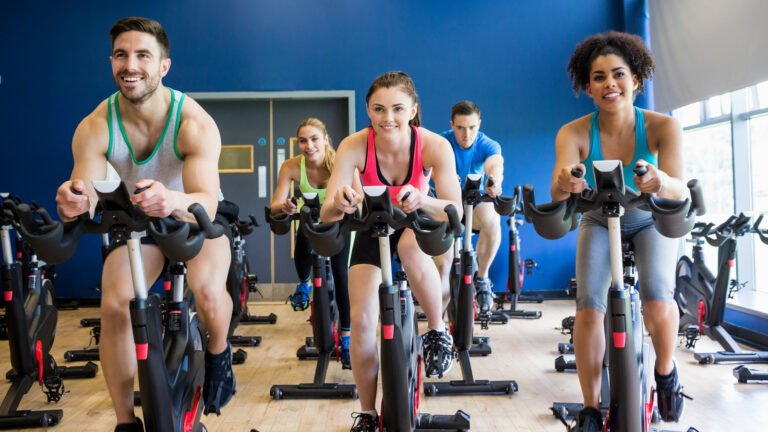
If you’ve ever walked out of a spin class drenched, buzzing, and weirdly bloated, you’re not imagining things. High-intensity workouts like indoor cycling do incredible things for cardiovascular health and stress relief. Still, they can also spark questions about what’s happening internally — especially if you’re already thinking about bacteria balance, hydration, or things like URO Probiotics.
It’s time to talk about it plainly: Can spin classes mess with your microbiomes, or is that just another wellness rumor?
The answer lives in the middle. Spin itself isn’t “bad” for your microbiomes, but the way your body responds to intense exercise can temporarily shift things in ways that feel uncomfortable or confusing if you don’t know what’s going on.
What Does the Microbiome Respond?
Your microbiome isn’t as fragile as you might think. Whether you’re thinking of your gut microbiome or your vaginal microbiome, your body has many of these living systems that respond to stress, sleep, food, hormones, and movement. Exercise, including high-intensity workouts, is generally associated with positive microbial diversity over time, especially when paired with adequate recovery and nutrition.
That said, your microbiome is sensitive to acute stress. When you push your body hard, blood flow is redirected away from some parts of your body toward other working muscles. That temporary shift can change how you feel in the hours after a workout.
This doesn’t mean damage is happening. It means your body is prioritizing survival and performance in the moment.
Why Do Spin Classes Feel Different Than Other Workouts?
Spin classes are intense by design. You’re often working near your maximum heart rate in a hot, enclosed room, sometimes for 45 minutes straight. That combination creates a strong stress response, even if you enjoy it.
During that stress response, cortisol rises and digestion takes a back seat. For some people, this shows up as bloating, urgency, gas, or discomfort later in the day. It’s not that your microbiome is being harmed, but that your body’s communication is temporarily disrupted.
If you notice symptoms mainly after spin and not after walking, yoga, or strength training, intensity is likely the variable — not the exercise itself.
Sweat, Dehydration, and Balance
It’s no secret that spin classes make you sweat. Heavy sweating without adequate hydration can concentrate what’s happening in your microbiomes, and it can create environments conducive to bad bacteria growth in the vagina.
Additionally, dehydration also affects the gut’s mucus lining, which helps keep bacteria where they belong. When fluids are low, that system doesn’t work as smoothly, and sensations become more noticeable.
This is one of the most common reasons people feel “off” after spin. It’s more about temporary changes in conditions. However, it can indicate that habits like staying in sweaty workout clothes for long periods of time are doing more harm than good for your vagina.
The Stress-Recovery Equation Matters More Than the Class
Spin isn’t happening in a vacuum. If you’re stacking intense workouts on top of poor sleep, under-fueling, and constant stress, your body may stay in a heightened state longer than it should.
When stress doesn’t come back down, digestion can stay sluggish, and the microbiome can feel out of sync. This is when people start blaming the workout, when the real issue is recovery.
Exercise supports overall health when your body feels safe enough to recover afterward. Without that downshift, even healthy habits can feel punishing.
Hormones Change How Women Experience Symptoms
Women’s microbiomes are influenced by estrogen and progesterone, which fluctuate throughout the cycle. High-intensity workouts can feel totally fine one week and disruptive the next, depending on where you are hormonally.
That variability doesn’t mean something is wrong. It means your sensitivity, inflammation response, and digestion speed aren’t fixed traits.
If spin suddenly feels harder on your system at certain times of the month, hormones are likely part of the picture, not a sign that the workout is harmful.
Can Spin Actually Support Microbiome Health?
Over time, consistent movement is associated with increased microbial diversity. Regular exercise supports circulation, metabolic health, and stress regulation, all of which benefit your body’s microbiomes in the long term.
For many people, spin becomes a net positive when it’s balanced with rest days, adequate calories, and hydration. The key is consistency without overload.
If your body feels energized overall and symptoms are short-lived, your microbiome is likely adapting just fine.
Signs You Might Need To Adjust, Not Quit
If spin consistently leaves you feeling wrecked, digestive symptoms last all day, or recovery feels impossible, that’s useful information. It doesn’t mean spin is bad. It means your body is asking for something to change.
That change might be fewer classes per week, better fueling beforehand, more fluids, or pairing intense workouts with gentler movement on off days. Small adjustments often make a big difference. Listening to patterns beats pushing through discomfort every time.
Get Your Spin On!
Spin classes aren’t bad for your microbiome, but they are demanding. If your body feels off, it’s usually a sign to support recovery, hydration, and stress balance — not to swear off the bike. Your body is talking to you, and you might just need a little more TLC to get back on track.
